New Year Dog Resolutions
The New Year is here, and with it comes the familiar ritual of resolutions. We reflect on the year behind us and think about what we want to improve, change, or finally commit to. We promise ourselves we will be healthier, more patient, more present, more consistent. But in all this goal setting, there is one family member who is almost always overlooked. Your dog.
As a professional dog trainer, I see this every January. Families come in motivated, hopeful, and ready for change. They want better behavior, better walks, better communication, and less stress at home. What many people don’t realize is that New Year’s resolutions can be one of the most powerful tools you have for improving your dog’s life and strengthening the bond you share.
Unlike us, dogs don’t get to choose their routines. They don’t decide when they go outside, how often they move their bodies, what they learn, or how much mental stimulation they receive. Their world is shaped almost entirely by us. That means if we want our dogs to have richer, calmer, happier lives, the change has to start with our choices.
The New Year is the perfect time to be intentional.
Including your dog in your resolutions does not mean overwhelming yourself with unrealistic expectations or rigid training schedules. It means making small, thoughtful adjustments that support your dog’s physical needs, mental health, and emotional well being. It means recognizing that your dog is not just living alongside you. They are living with you, learning from you, and responding to the environment you create every single day.
One of the simplest ways to begin is by looking at your current routine. Most families already have some form of structure in place, even if it feels chaotic. Walk times, feeding times, play time, quiet time. Instead of throwing everything out and starting over, build on what already exists.
If you routinely take your dog on the same walk every day, consider changing the route once or twice a week. Dogs experience the world primarily through scent. What looks like the same boring sidewalk to us can be completely different to your dog when the smells change. A new route provides mental enrichment, reduces boredom, and can even help with behavioral issues like pulling, reactivity, or restlessness at home. Sniffing is not a distraction. It is an essential need.
If your dog does not currently get daily walks, start small. Even ten minutes of structured movement can make a meaningful difference. Consistency matters far more than duration. A calm, predictable walk done regularly will benefit your dog more than an occasional long walk followed by days of inactivity.
Another powerful resolution is committing to intentional training time. This does not mean drilling commands for an hour every night. Dogs learn best in short, focused sessions. Five to ten minutes a few times a week is more than enough when done correctly.
Choose one skill you would like to work on. Loose leash walking. A reliable recall. Calm greetings at the door. Place training. Pick a day and time that realistically fits into your schedule and treat it like any other important appointment. Training should feel positive and achievable for both you and your dog.
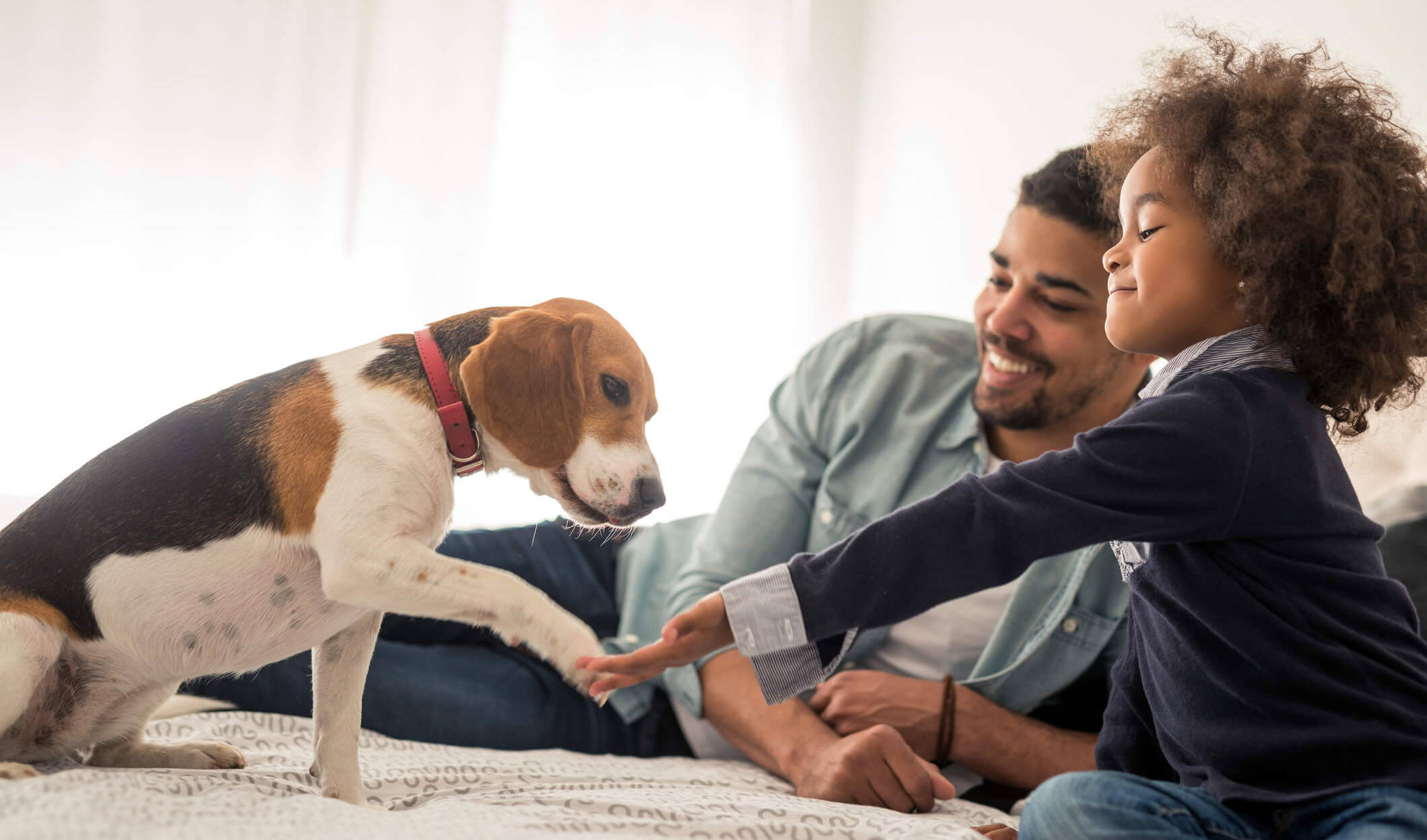
For families with children, this can be a beautiful opportunity to involve everyone. Kids can help with simple training exercises under supervision. This teaches responsibility, empathy, and clear communication. It also helps dogs learn how to respond calmly to different voices, energy levels, and movements.
Mental stimulation is just as important as physical exercise, and this is often where dogs are most underserved. Puzzle toys, food enrichment, scent games, and basic problem solving tasks give your dog a job to do. A dog with a job is a calmer dog.
You can turn everyday moments into enrichment. Scatter your dog’s food in the grass instead of using a bowl. Hide treats around the house and let them search. Ask for simple cues before meals, before going outside, or before play. These small habits build confidence and focus without adding stress.
The New Year is also a good time to reflect on your dog’s emotional needs. Dogs thrive on clarity. They feel safest when expectations are consistent and boundaries are fair. If your dog struggles with anxiety, reactivity, or overexcitement, resolutions centered on calm leadership can be life changing.
This might mean practicing slower transitions throughout the day. Asking your dog to sit and breathe before going through doors. Rewarding calm behavior instead of only reacting to chaos. Creating a predictable bedtime routine that helps your dog settle.
Rest is often overlooked. Dogs need downtime. A balanced life includes activity and rest. If your dog is constantly overstimulated, they may appear hyper, unfocused, or reactive. Teaching your dog how to relax is just as important as teaching them how to listen.
One resolution I often suggest to families is committing to learning. Not just teaching the dog, but learning about the dog. Understanding canine body language, stress signals, and communication styles can transform your relationship. When you learn to read your dog, you stop reacting and start responding.
Education also helps families set realistic expectations. Dogs are not robots. Progress is not linear. There will be good days and hard days. Growth comes from consistency, patience, and compassion.
Your dog only gets one life.
That sentence matters. Dogs do not measure time in years the way we do. Their lives are shorter, and every season matters. Including your dog in your New Year plans is not about perfection. It is about presence.
When you choose to include your dog in your goals, something interesting happens. You move more. You slow down. You notice things. You build rituals. Walks become conversations. Training becomes connection. Quiet moments become grounding.
The bond between you and your dog strengthens not because you did more, but because you did things together with intention.
As a trainer, I can tell you that the most well behaved dogs are not the ones who know the most commands. They are the ones whose needs are met consistently. They are understood. They are included. They are guided with clarity and kindness.
This year, instead of focusing only on what you want to change about your dog, consider what kind of life you want to give them. What kind of days you want them to experience. What kind of relationship you want to build.
Write it down. Put it on the calendar. Choose a few small commitments you can keep.
Your dog does not need a perfect owner. They need a present one.
When you include your dog in your New Year’s intentions, you are not just improving behavior. You are honoring the relationship. And that is one resolution worth keeping.